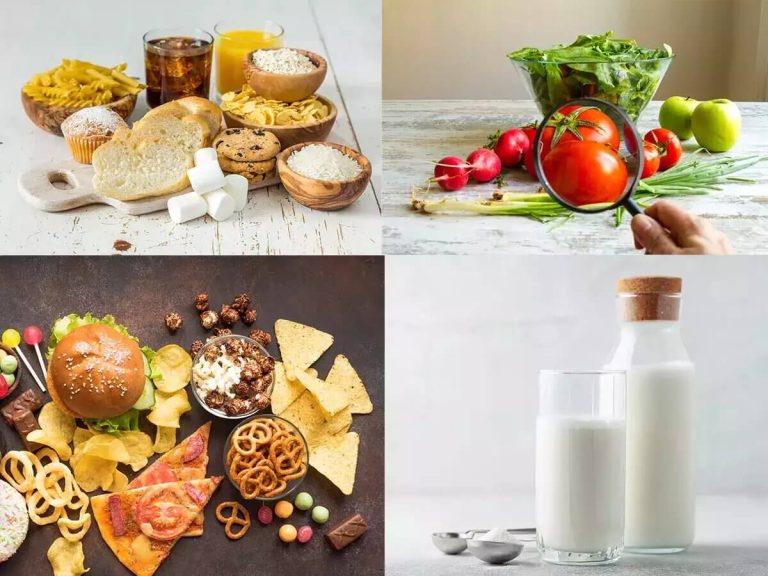
Fertility Superfoods > Fertility is a complex topic for many women and couples who have been struggling to conceive and start their beautiful families. So many intricate factors play a role in your fertility health and tracking them all can be mind-boggling. That’s why I’m here to help you, Mama. Through my 27 years of dedicated experience in becoming the leading fertility specialist, my driving force has been providing the best fertility care and support to help women fulfill their dreams of becoming healthy mothers to healthy, beautiful babies.
One of the most crucial factors on your fertility path is your consumption – what you put in your mind and in your mouth, Mama. Today I want us to focus on the food we consume. Many studies prove that certain foods can significantly influence both male and female reproductive function (Gaskins & Chavarro, 2018). Figuring out the best intake and balance for the best fertility diet gets complicated. I’m here to help you navigate and take the confusion away as you explore the world of fertility superfoods.
Now, Mama, it’s important to know that not all the food we deem healthy is nourishing and beneficial for your fertility. In particular, foods high in phytic acid, oxalates, lectins, and histamine have been studied for their effects on fertility (Shi et al., 2018). This post will explore these foods in detail and how they impact your fertility. I’ve also included a comprehensive list of what to eat and what not to eat for optimal reproductive health that you can download. Let’s jump right in.
What are Phytic Acids, And How Do They Affect Fertility Outcomes?
Phytic acid (also known as inositol hexakisphosphate) is a compound found in all beans and many grains, nuts, and seeds. It’s often referred to as an “antinutrient” because it can obstruct the absorption of certain vital minerals, including zinc, iron, and calcium. These minerals are vital for your fertility, and a deficiency in any of them can negatively impact your reproductive health and chances of successful conception.
Research by Hummel et al. (2020) confirms that a high phytic acid intake can lead to lower levels of zinc and iron in the body, affecting fertility. Zinc is an essential aid for male fertility and sperm production and maturation, and a zinc deficiency can lead to low sperm count and poor sperm motility. Iron is important for ovulation and the development of healthy eggs. Iron deficiency can lead to irregular menstrual cycles and a higher risk of infertility in women.
While phytic acid is present in many healthy foods, there are ways to reduce its impact on fertility. Soaking and sprouting grains, nuts, and seeds can reduce the level of phytic acid, as can fermenting and baking (Gupta et al., 2013). Additionally, ensuring that your diet includes plenty of foods rich in zinc, iron, and other important minerals for fertility is important. For your benefit, I’ve detailed these fertility superfoods and compiled them into a comprehensive checklist that you can download.
The Impact of Oxalates on Fertility Health
Oxalates are compounds found in many plant-based foods such as spinach, beets, and leafy greens. They can be particularly problematic for some individuals. Oxalates can bind calcium in your body and form calcium oxalate crystals, increasing the risk of kidney stones (Mitchell et al., 2019). Kidney stones cause inflammation and kidney damage, negatively impacting fertility health.
Studies have also shown that high levels of oxalates in your system may also contribute to other reproductive health issues, such as endometriosis (Murad & Eisenberg, 2017). However, it is important to note that not everyone who consumes high levels of oxalates will develop kidney stones or other health issues. Our bodies respond differently, so it’s important to consult with your fertility specialist to ensure your doing the right thing for your body to support fertility.
Consult with your FPI Team today to gain the best in fertility care.
If you are concerned about the impact of oxalates on your fertility, there are steps you can take to reduce their impact. One way is to limit your intake of foods high in oxalates. Boiling foods that are high in oxalates can also help reduce their potency. Additionally, it is important to ensure that your diet includes plenty of calcium-rich foods to help counteract the effects of oxalates. Finally, staying hydrated is important for preventing kidney stones and maintaining good kidney and reproductive health.
How Lectins Influence Reproductive Health
Lectins are a type of protein found in many plant-based foods, including beans, legumes, and grains. Although they are generally healthy, they can also interfere with the absorption of the essential vitamins and minerals that benefit fertility, such as zinc and iron (Petroski & Minich, 2020).
Scientific evidence suggests that diets high in lectins can lead to lower levels of these important minerals in the body, which can negatively impact fertility. Additionally, lectins can also contribute to inflammation in the body, which can further exacerbate fertility issues (de Punder & Pruimboom, 2013).
To limit the effect of lectins on your fertility, it is important to ensure that your diet includes plenty of zinc- and iron-rich foods, such as seafood and lean meats. Additionally, soaking and cooking beans and legumes can reduce the level of lectins in these foods and make them easier to digest (Shi et al., 2018).
Because of the imbalances and nutritional gaps of our modern diet, maintaining a solid fertility diet through nutrient-dense foods and supporting your fertility diet with proven fertility supplements can work wonders in benefiting your fertility as well as your partner’s. Our Prime Male supplement will ensure your partner gets adequate amounts of zinc for improved sperm health. At the same time, our Prime Pre-Pregnancy & Prenatal will help you maintain healthy, optimal levels of iron to help improve your egg quality and overall egg health for enhanced fertility. These supplements are jam-packed with some of the most crucial nutrients to nurture your reproductive function and can improve egg, sperm, and overall fertility health.
Get your Superbaby Nutraceuticals Complete Mama & Dada Bundle and start building a healthy foundation for improved fertility.
Histamine Foods And Fertility Health
Histamine is a compound that is naturally produced by your body and is involved in many physiological processes, including your immune response and digestion. High levels of histamine, however, found in fermented foods, aged cheese, and cured meats can have an adverse effect, particularly for those who are sensitive to histamine and are trying to conceive.
Scientific data shows that high histamine levels in the body can contribute to inflammation, negatively impacting fertility. In addition, histamine intolerance can lead to a range of symptoms, including headaches, fatigue, and digestive issues, which can worsen fertility issues (Branco et al., 2018).
It is important to be aware of the histamine content of the foods you eat, Mama. Because our bodies differ, some individuals may benefit immensely from avoiding high-histamine foods altogether, while others may be able to tolerate small amounts. It is vital to ensure that your diet includes plenty of anti-inflammatory foods to help prevent the effects of histamine on your reproductive system.
Supporting Your Fertility Diet Through Proven Fertility Supplements
Fertility health is influenced by many different factors, including the food you eat. By focusing on a diet that is rich in nutrients and low in these problematic foods, as well as making other positive lifestyle changes, couples can boost their chances of conceiving and having a healthy pregnancy. Our modern diet, however, makes ensuring the optimal intake of these critical nutrients increasingly challenging. That’s why our fertility supplements are geared toward nourishing your body and reproductive system, furnishing it with the nutrients it desperately needs in order to correct suboptimal nutrient status, protect egg and sperm quality, and enhance fertility.
The Superbaby Nutrceuticals Complete Mama & Dada Bundle is one of the best gifts you can give your body. Designed for both you and your partner or donor, these nutrient and vitamin-packed supplements form the five most essential nutrients to support your fertility, primemester, pregnancy, and beyond. These foundational nutrients help you correct your nutrient status and fill in the nutritional gaps. Once this critical foundation has been laid, you can build on it with egg and sperm-specific nutrients created to improve egg and sperm quality and count. Give yourself and your partner the best possible odds of achieving a successful pregnancy and birth and having a healthy, well-adjusted superbaby.
>>>Start nourishing your fertility and your partner’s or donors today with our Superbaby Nutrceuticals Complete Mama & Dada Bundle.<<<
Love & Superbaby Dust.
Dr. Cleopatra
Dr. Cleopatra is an esteemed professor at USC and a pioneering fertility strategist and scientist. Her groundbreaking work in fertility biohacking and the creation of superbabies is based on the scientific study of tens of thousands of women. She’s helped families in 23 different countries across the globe achieve their dream of having healthy babies. Her impactful research has secured her recognition and support from renowned institutions such as the National Institutes of Health and the National Science Foundation.
Dr. Cleopatra’s contributions have been acknowledged through over 1,000 citations in scientific studies in recent years, highlighting her significant influence in the field of fertility. Together with the support of a highly specialized FPI Team, she brings women and families a comprehensive and effective approach to creating and fostering the healthiest environment for optimal fertility.
FAQ’s:
Q: What are fertility superfoods?
A: Fertility superfoods are nutrient-dense foods that provide essential vitamins, minerals, and antioxidants that support reproductive health and can positively impact fertility outcomes.
Q: Can you provide some examples of fertility superfoods?
A: Yes, examples of fertility superfoods include leafy greens (such as spinach and kale), berries (such as blueberries and raspberries), avocados, nuts, and seeds (such as almonds and flaxseeds), and fatty fish (such as salmon and sardines).
Q: How do fertility superfoods benefit fertility?
A: Fertility superfoods provide key nutrients like folate, iron, zinc, antioxidants, and omega-3 fatty acids that support hormonal balance, egg and sperm health, and overall reproductive function, increasing the chances of successful conception.
Q: Are there specific foods to avoid for fertility?
A: Yes, there are certain foods that may negatively impact fertility. These include processed foods high in trans fats, phytic acid, lectins, oxalates, histamine, refined carbohydrates, excessive caffeine, alcohol, and high-mercury fish. It is recommended to limit their consumption for optimal fertility.
Q: How do processed foods and trans fats affect fertility?
A: Processed foods and trans fats can contribute to inflammation, insulin resistance, and hormonal imbalances, which can disrupt reproductive health and decrease fertility.
Q: Why should refined carbohydrates be avoided for fertility?
A: Refined carbohydrates, such as white bread, pasta, and sugary snacks, can cause spikes in blood sugar levels and insulin resistance, which may negatively affect fertility and increase the risk of conditions like polycystic ovary syndrome (PCOS).
Q: What is the impact of excessive caffeine and alcohol on fertility?
A: Excessive caffeine intake has been associated with decreased fertility and an increased risk of miscarriage. Similarly, excessive alcohol consumption can disrupt hormone levels, impair ovulation, and lower sperm quality.
Q: Why should high-mercury fish be avoided for fertility?
A: High levels of mercury in fish can impair fertility and pose potential risks during pregnancy. Limiting the consumption of fish high in mercury, such as shark, swordfish, king mackerel, and tilefish, is advisable.
Q: Should I avoid all fats for fertility?
A: No, including healthy fats in your diet for fertility is important. Healthy fats, such as those found in avocados, nuts, seeds, and olive oil, benefit hormone production and reproductive health.
Q: Can following a fertility diet alone guarantee pregnancy?
A: While a healthy diet can positively impact fertility, it is important to note that many factors contribute to conception and pregnancy. A fertility diet should be part of an overall healthy lifestyle, including regular exercise, stress management, and seeking appropriate medical guidance if experiencing difficulties conceiving.
Q: Can supplements support fertility along with a fertility diet?
A: Our Superbaby Nutraceuticals are designed to aid your fertility diet, working together to ensure you get enough of the essential nutrients to nourish your fertility.
Q: Are there any specific fertility superfoods for men’s fertility?
A: Yes, certain fertility superfoods are beneficial for men’s fertility, including foods rich in zinc (such as oysters, pumpkin seeds, and lean meats), antioxidants (such as berries and tomatoes), and omega-3 fatty acids (such as fatty fish and walnuts).
Q: How long does it take for dietary changes to impact fertility?
A: The impact of dietary changes on fertility can vary among individuals. It generally takes several months for dietary improvements to positively influence reproductive health, as it takes time for the body to respond to nutritional changes and for new eggs and sperm to develop.
References
Branco, A. C. C. C., Yoshikawa, F. S. Y., Pietrobon, A. J., & Sato, M. N. (2018). Role of histamine in modulating the immune response and inflammation. Mediators of Inflammation, 2018, 1–10. https://doi.org/10.1155/2018/9524075
de Punder, K., & Pruimboom, L. (2013). The dietary intake of wheat and other cereal grains and their role in inflammation. Nutrients, 5(3), 771–787. https://doi.org/10.3390/nu5030771
Gaskins, A. J., & Chavarro, J. E. (2018). Diet and fertility: A review. American Journal of Obstetrics and Gynecology, 218(4), 379–389. https://doi.org/10.1016/j.ajog.2017.08.010
Gupta, R. K., Gangoliya, S. S., & Singh, N. K. (2013). Reduction of phytic acid and enhancement of bioavailable micronutrients in food grains. Journal of Food Science and Technology, 52(2), 676–684. https://doi.org/10.1007/s13197-013-0978-y
Hummel, M., Talsma, E. F., Taleon, V., Londoño, L., Brychkova, G., Gallego, S., Raatz, B., & Spillane, C. (2020). Iron, zinc, and phytic acid retention of biofortified, low phytic acid, and conventional bean varieties when preparing common household recipes. Nutrients, 12(3), 658. https://doi.org/10.3390/nu12030658
Mitchell, T., Kumar, P., Reddy, T., Wood, K. D., Knight, J., Assimos, D. G., & Holmes, R. P. (2019). Dietary oxalate and kidney stone formation. American Journal of Physiology-Renal Physiology, 316(3), F409–F413. https://doi.org/10.1152/ajprenal.00373.2018
Murad, S., & Eisenberg, Y. (2017). Endocrine manifestations of primary hyperoxaluria. Endocrine Practice, 23(12), 1414–1424. https://doi.org/10.4158/ep-2017-0029
Petroski, W., & Minich, D. M. (2020). Is there such a thing as “anti-nutrients”? A narrative review of perceived problematic plant compounds. Nutrients, 12(10). https://doi.org/10.3390/nu12102929
Shi, L., Arntfield, S. D., & Nickerson, M. (2018). Changes in levels of phytic acid, lectins, and oxalates during soaking and cooking of canadian pulses. Food Research International, 107, 660–668. https://doi.org/10.1016/j.foodres.2018.02.056