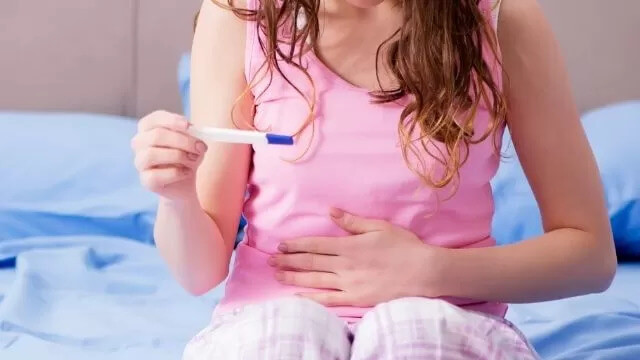
Infertility can be a devastating diagnosis for many women and couples longing to start a family. Understanding the causes and types of infertility in women is essential to navigate the path forward. Infertility is the inability to conceive after a year of trying through regular unprotected intercourse. It affects approximately 15% of couples worldwide, and the emotional toll it takes can be immense (Agarwal et al., 2015).
According to the National Institutes of Health (2017), 90% of all infertility diagnoses have treatable causes, and nearly 50% of women who experience unexplained fertility will go on to have natural pregnancies (Walker & Tobler, 2020). Today, I want to focus our conversation on the various treatments available for infertility in women and highlight how certain supplements can give your fertility the boost it needs to create your superbaby.
In my 27-year-long career, I’ve had the immeasurable honor of walking this path with many women who have defied the odds and gone on to get pregnant naturally, even after they were diagnosed with infertility. My extensive knowledge and experience with the female reproductive function, helping women from varying fertility backgrounds, and seeing repeated success is why I am confident in my ability to help you. I’m here to remind you that you can steer and mold your desired outcomes. Let’s unpack the different remedies available for infertility in women.
Infertility In Women: Infertility Tests & Factors Influencing Female Infertility
Female infertility is a multifaceted issue influenced by various factors, including age, each capable of disrupting the intricate process of conception. Understanding the types of infertility in women is crucial for addressing the challenges on your path to parenthood. Primary infertility occurs when a woman has never conceived, while secondary infertility arises when a woman struggles to conceive again after having had a child (WHO, 2023). Doctors may suggest doing various tests to help determine the root of your fertility struggles.
Female infertility tests are crucial for identifying the underlying causes of infertility in women and guiding appropriate treatment. Standard tests include monitoring menstrual cycles, hormone blood tests to assess hormonal balance and ovulation, transvaginal ultrasounds for visualizing reproductive organs, hysterosalpingography to check for blockages, laparoscopy for examining pelvic organs, cervical mucus testing, endometrial biopsies, ovarian reserve assessments, genetic testing when necessary, and hormone challenge tests (Laveena Kondagari et al., 2022). These diagnostic measures aid in precisely identifying female infertility factors, enabling healthcare providers to develop personalized treatment plans and increase the chances of successful conception.
Because of the vast and sometimes misinformed landscape of fertility resources, figuring out the best course of action to overcome infertility in women can take time and effort. It’s important to consult with a highly specialized team, like your FPI Team, to get sound and accurate advice on approaching your next steps on this path.
Consult with your highly specialized FPI Team today.
What Are The Causes Of Female Infertility?
Numerous factors can contribute to infertility in women, and knowing about them can help you take the proper steps toward overcoming infertility and realizing your baby goals. Let’s have a look at some of the common causes of female infertility.
- Age plays a vital role in female fertility due to the natural decline in fertility our bodies go through as we get older (Delbaere et al., 2020). This is often referred to as the biological clock. The quality and quantity of eggs diminish with age, and the body becomes more vulnerable to a number of the causes that lead to infertility in women.
- Hormonal imbalances, such as those seen in conditions like Polycystic Ovary Syndrome (PCOS) or thyroid disorders, can disturb the delicate hormonal equilibrium vital for regular ovulation, disrupting female fertility and contributing to infertility in women (Rasquin et al., 2018).
- Ovulation disorders, often triggered by stress, weight fluctuations, exposure to certain toxic substances, or underlying medical conditions, result in irregular or absent release of mature eggs from the ovaries, diminishing the chances of conception (Jurczewska & Szostak-Węgierek, 2022).
- Endometriosis is a condition in which the tissue that lines the uterus grows outside of the uterus (Filip et al., 2020). It can cause pain, inflammation, and scarring, making it difficult for an egg to implant in the uterus, making it challenging to get and stay pregnant.
- Fallopian tube blockages or damage can impede the journey of sperm to meet the egg, hindering fertilization. The fallopian tubes are the tubes that carry eggs from the ovaries to the uterus. If the fallopian tubes are blocked, eggs cannot travel to the uterus and be fertilized (Ambildhuke et al., 2022). Fallopian tube blockage can be caused by infection, inflammation, or surgery.
- Uterine fibroids are the most common noncancerous growths that form in the uterus in women of reproductive age, causing infertility in women(Freytag et al., 2021). Fibroids can cause pain and heavy bleeding and lead to miscarriage.
- Autoimmune disorders, such as lupus and rheumatoid arthritis, can cause infertility (Carp et al., 2012). Autoimmune disorders can damage the reproductive system and make it difficult for an egg to be fertilized or implanted in the uterus.
- Genetic disorders can impede female fertility in various ways (Zorrilla & Yatsenko, 2013). Certain genetic disorders can cause problems with the development of the reproductive organs, while others can interfere with the production or maturation of eggs. Some can make it difficult for an egg to be fertilized or implanted in the uterus.
These factors collectively underscore the complexity of infertility in women and the importance of identifying them to address these issues early and accurately. Infertility is often treatable, and acting in time can make a difference in your path to becoming a mother.
Our Extra Neural Tube & Chromosomal Care supplement duo packs an incredible punch of vitamin B – folate in its most bioavailable form for your body’s immediate use. It includes our Prime Methylated Folate Extra and Prime Methylated B12 + Folate, carefully paired to be a protective agent against PCOS, obesity, and insulin resistance—all of which increase the risk of infertility. It also protects you from suboptimal nutrient status linked to infertility in women, fetal growth limitations, preterm birth, and other detrimental, life-long outcomes. Extra Neural Tube & Chromosomal Care achieves this and much more. I invite you to explore the multiple benefits you’ll find in these vitamin B-enriched supplements.
Join your FPI Village – The Art & Science of Getting Pregnant today.
Explore the incredible benefits of our Extra Neural Tube & Chromosomal Care today, and work toward a renewed fertility experience.
Infertility Treatment For Women
When faced with the profound challenge of female infertility, it becomes essential to explore the range of promising fertility treatments to identify the most suitable option for you as a woman and potentially your partner/donor. About 30-40% of couples who undergo infertility treatment will achieve a live birth within one year (Wright et al., 2003). These treatments have given many couples promise and have been a solution to many facing infertility in women
Before we dive into the world of often pricey fertility treatments, I want to tell you about a globally renowned fertility resources and all-inclusive program – The Primemester Protocol. This goes beyond typical fertility programs with its unique epigenetic approach that has helped thousands of women across the globe get and stay pregnant and have healthy babies despite fertility struggles. The Primemester Protocol is the ultimate key to unlocking your body’s ability and full potential to create the healthiest superbaby possible.
Explore the Primemester Protocol benefits here.
Treatment Options For Infertility In Women
Intrauterine Insemination (IUI)
IUI emerges as a frequently chosen fertility treatment for infertility in women. This procedure involves carefully placing specially prepared sperm directly into the uterus during the woman’s fertile window, typically synchronized with ovulation. IUI is relevant in unexplained or mild male factor infertility cases, where natural sperm-egg interaction may be compromised. The advantages of IUI encompass its non-invasive nature and relative affordability compared to more complex options like In Vitro Fertilization (IVF).
Additionally, IUI offers an improved chance of conception – around 15-20% chance of success per cycle, making it an accessible and promising route to parenthood for many facing infertility in women, helping them overcome infertility (Panda et al., 2013). Sperm health is vital in successful conception and having a healthy baby. Our Prime Male supplement can help ensure your partner/donor has optimal sperm health and is well-supported through preconception and after. The anti-inflammatory and antioxidant properties found in Prime Male effectively combat oxidative stress associated with age in sperm and mitigate the effects of biological aging.
In Vitro Fertilization (IVF)
In contrast, IVF represents a comprehensive and often recommended fertility treatment for women grappling with more intricate challenges of infertility in women. IVF involves a series of meticulously orchestrated steps, commencing with ovarian stimulation to produce multiple eggs, followed by retrieving these eggs. Subsequently, the eggs are fertilized with sperm within a laboratory setting, and the resulting embryos are carefully transferred into the uterus – with a success rate of 40-50% per cycle (Smith et al., 2015).
IVF is typically advised for women confronting complex fertility issues, including severe male factor infertility, advanced maternal age, or unresponsive ovulation stimulation. Its strengths lie in its precision over the fertilization process and the provision of high success rates among fertility treatments. In some instances, IVF permits genetic testing of embryos, enabling the identification of potential abnormalities before implantation and offering an added layer of control and assurance. Elevate your IVF prospects with our Extra Neural Tube & Chromosomal Care supplement, including Prime Methylated B12 + Folate and Prime Methylated Folate Extra.
These clinical-grade nutrients mitigate the risk of neural tube defects, miscarriage, and reproductive aging while supporting better IVF results. Extra Neural Tube & Chromosomal Care enhances male and female fertility, reducing the risk of anovulation and ovulatory disorders and increasing sperm concentration and motility for improved IVF success.
Fertility Supplements
Results from fertility supplement studies vary because not all fertility supplements are made equally. While some supplements are ineffective, others have exceeded expectations in helping women and couples start their families despite issues with infertility in women. One study found that women who took a combination of folic acid, vitamin B12, and zinc supplements had a 45% higher chance of pregnancy than those who did not take supplements (Gaskins et al., 2014).
Our nutritionally diverse and dense range of Superbaby Nutraceuticals is an essential fertility aid that benefits you, your partner/donor, and your future little one. The blend of minerals and vitamins in these supplements is carefully selected and sourced from their most bioidentical and bioactive forms for your body’s immediate benefit. With our Superbaby Nutraceuticals Complete Mama & Dada Bundle, you furnish yourself and your partner/donor with the best odds of having successful conception, a healthy pregnancy, and baby by priming your bodies with the 5 most essential foundational nutrients for your primemester, pregnancy and beyond.
The range also includes the Extra Neural Tube & Chromosomal Care mentioned above and many other essential fertility-targeted supplements for you and your partner or donor. Superbaby Nutraceuticals are deliberate and comprehensive resources for overcoming infertility in women.
Surgical Interventions
Another facet of female infertility treatment that comes into play when structural abnormalities are identified as the primary cause of infertility in women is the potential need for surgery. These surgical procedures may encompass repairing blocked or damaged fallopian tubes, the removal of uterine fibroids or polyps, or addressing other anatomical issues that hinder conception. Surgical interventions aim to rectify specific physical obstacles, thereby improving fertility outcomes for women.
If you are concerned about the next steps on your path to becoming a Mama, speaking to your highly specialized FPI Team can provide you with the accurate advice you need to take action to counter infertility in women. Remember, most infertility diagnoses result from treatable conditions that rarely signify the end of your fertility. Speaking to your FPI Team can give you the support and clarity needed.
Donor Support
Lastly, if you or your partner are facing severe fertility problems or genetic concerns, the option of donor eggs or sperm can be necessary. This approach entails the utilization of eggs or sperm from a donor for fertilization, circumventing genetic or quality-related challenges that may impede conception. Donor gametes can be promising pathways to motherhood for those facing infertility in women or who have difficulties conceiving naturally or through other means.
With our Superbaby Nutraceuticals, your donor can ensure the best health and quality of eggs or sperm for the healthiest possible fertility and outcomes. By ensuring your donor supports their reproductive and nutritional well-being with our Superbaby Nutraceuticals, complimented by a fertility-conscious lifestyle, you can secure the best odds of bringing your superbaby into the world.
Infertility in women is a dense topic, and remembering all the intricate details can be cumbersome. I’ve compiled a checklist of the information I shared today to help ease your search for answers as you navigate the often confusing path of female infertility.
The decision-making process surrounding selecting the most appropriate fertility treatment for female infertility is profoundly personal and emotionally charged. Factors like the underlying cause of infertility in women, financial considerations, and the desire for biological motherhood all contribute to the complexity of this journey. It is crucial to consult with a knowledgeable healthcare provider who can guide you through the process, tailor the treatment plan to your specific circumstances, and provide the necessary support and guidance to realize your dreams of becoming a mother. If you have any uncertainties, you can always reach out to your highly specialized FPI Team, always ready to walk you through this path and support you with accurate information.
Fertility Treatment Options
Your infertility diagnosis does not determine the outcome of your fertility – you do. I’m here to tell you that despite all your struggles on this path, your dream of becoming a Mama is still valid and possible. In most cases of infertility in women, accurate nutritional intake can address many of the root issues contributing to infertility. Our range of Superbaby Nutraceuticals has contributed to countless women and families finally seeing their dream of bringing new life into the world come true.
I am confident that it can do the same for you and invite you to uncover the benefits of our Superbaby Nutraceuticals for you and your baby. If you have been searching for a way to tap into your body’s full fertile potential, the incredible supplements found in our range can be a supportive shield.
Explore the nutritionally diverse range of Superbaby Nutraceuticals today.
Sent with superbaby dust
Dr. Cleopatra
Dr. Cleopatra, the Fertility Strategist and President and Chief Scientific Officer of The Fertility & Pregnancy Institute (FPI) has dedicated her life to a profound mission: using the perfect blend of love, science, and unwavering commitment to empowering individuals on their fertility journey. Drawing from 27 years of scientific exploration, Dr. Cleopatra has developed the revolutionary Primemester Protocol, a data-driven and big-hearted approach that transforms the landscape of fertility and pregnancy.
This protocol is designed to help women across the globe reverse reproductive aging, achieve quicker and easier pregnancies, reduce the risk of miscarriage, and ultimately fulfill their dreams of welcoming a superbaby into their lives. Dr. Cleopatra’s journey, rooted in a deep desire to create a healthier, happier, and more supportive world for women and their babies, has led to the creation of invaluable tools and resources. With her expertise and dedication, she has touched the lives of tens of thousands of women and families across 18 countries on 6 continents, offering them the knowledge and support to biohack their way to superbabies.
FAQ’s:
Q1: What is infertility in women, and how is it defined?
A1: Infertility in women is defined as the inability to conceive after a year of trying through regular unprotected intercourse. It affects approximately 15% of couples worldwide and can be emotionally challenging. However, it’s important to note that 90% of all infertility diagnoses have treatable causes.
Q2: What are the most common causes of female infertility?
A2: The most common factors contributing to female infertility include age, hormonal imbalances (e.g., PCOS, thyroid disorders), ovulation disorders (stress, weight fluctuations, toxic exposures), and fallopian tube blockages or damage (e.g., endometriosis).
Q3: How can supplements help with female infertility?
A3: Supplements like Extra Neural Tube & Chromosomal Care, which contains bioavailable vitamin B, can be protective against conditions like PCOS, obesity, and insulin resistance, all of which increase infertility risk. They also support optimal nutrient status and reduce the risk of complications.
Q4: What are the primary tests for female infertility?
A4: Female infertility tests include monitoring menstrual cycles, hormone blood tests, transvaginal ultrasounds, hysterosalpingography, laparoscopy, cervical mucus testing, endometrial biopsies, ovarian reserve assessments, genetic testing when necessary, and hormone challenge tests. These tests help identify underlying causes of infertility.
Q5: What is Intrauterine Insemination (IUI), and when is it recommended?
A5: IUI involves placing specially prepared sperm directly into the uterus during the woman’s fertile window, making it suitable for unexplained or mild male factor infertility cases. It offers a 15-20% chance of success per cycle and is less invasive and more affordable than IVF.
Q6: What is In Vitro Fertilization (IVF), and who is it recommended for?
A6: IVF is a comprehensive fertility treatment recommended for women facing complex fertility issues, including severe male factor infertility, advanced maternal age, or unresponsive ovulation stimulation. It involves fertilizing eggs with sperm in a lab and transferring resulting embryos into the uterus, with a 40-50% success rate per cycle.
Q7: How do surgical interventions help with female infertility?
A7: Surgical procedures address structural abnormalities that hinder conception, such as blocked fallopian tubes or uterine fibroids. These interventions aim to rectify physical obstacles and improve fertility outcomes.
Q8: What is donor support in the context of female infertility treatment?
A8: Donor support involves using eggs or sperm from a donor for fertilization when severe fertility problems or genetic concerns are present. It circumvents challenges related to genetics or quality that may impede conception.
Q9: Can nutritional intake impact female infertility?
A9: Yes, accurate nutritional intake can address root issues contributing to infertility in women. Supplements like those in the Superbaby Nutraceuticals range provide essential nutrients for optimal fertility and pregnancy outcomes.
Q10: How can I make informed decisions about fertility treatment for female infertility?
A10: Consult with a knowledgeable healthcare provider or your highly specialized FPI Team for professional advice on your fertility.
References
Agarwal, A., Mulgund, A., Hamada, A., & Chyatte, M. R. (2015). A unique view on male infertility around the globe. Reproductive Biology and Endocrinology, 13(1). https://doi.org/10.1186/s12958-015-0032-1
Ambildhuke, K., Pajai, S., Chimegave, A., Mundhada, R., & Kabra, P. (2022). A Review of Tubal Factors Affecting Fertility and its Management. Cureus, 14(11). https://doi.org/10.7759/cureus.30990
Carp, H. J. A., Selmi, C., & Shoenfeld, Y. (2012). The autoimmune bases of infertility and pregnancy loss. Journal of Autoimmunity, 38(2-3), J266–J274. https://doi.org/10.1016/j.jaut.2011.11.016
Delbaere, I., Verbiest, S., & Tydén, T. (2020). Knowledge about the impact of age on fertility: A brief review. Upsala Journal of Medical Sciences, 125(2), 167–174. https://doi.org/10.1080/03009734.2019.1707913
Filip, L., Duică, F., Prădatu, A., Crețoiu, D., Suciu, N., Crețoiu, S. M., Predescu, D.-V., Varlas, V. N., & Voinea, S.-C. (2020). Endometriosis Associated Infertility: A Critical Review and Analysis on Etiopathogenesis and Therapeutic Approaches. Medicina, 56(9), 460. https://doi.org/10.3390/medicina56090460
Freytag, D., Günther, V., Maass, N., & Alkatout, I. (2021). Uterine fibroids and infertility. Diagnostics, 11(8), 1455. https://doi.org/10.3390/diagnostics11081455
Gaskins, A. J., Afeiche, M., Wright, D. L., Toth, T. L., Williams, P. L., Gillman, M. W., Hauser, R., & Chavarro, J. E. (2014). Dietary folate and reproductive success among women undergoing assisted reproduction. Obstetrics and Gynecology, 124(4), 801–809. https://doi.org/10.1097/AOG.0000000000000477
Jurczewska, J., & Szostak-Węgierek, D. (2022). The influence of diet on ovulation disorders in women—a narrative review. Nutrients, 14(8), 1556. https://doi.org/10.3390/nu14081556
Laveena Kondagari, Kahn, J., & Singh, M. (2022, January 21). Sonography gynecology infertility assessment, protocols, and interpretation. Nih.gov; StatPearls Publishing. https://www.ncbi.nlm.nih.gov/books/NBK572093/
NIH. (2017, January 31). What infertility treatments are available? Http://Www.nichd.nih.gov/; Office of Communications. https://www.nichd.nih.gov/health/topics/infertility/conditioninfo/treatments
Panda, B., Mohapatra, L., Mahesh Chandra Sahu, & Padhy, R. N. (2013). Success in pregnancy through intrauterine insemination at first cycle in 300 infertile couples: An analysis. 64(2), 134–142. https://doi.org/10.1007/s13224-013-0484-1
Rasquin, L. I., Mayrin, J. V., & Anastasopoulou, C. (2018, November 18). Polycystic ovarian disease (stein-leventhal syndrome). Nih.gov; StatPearls Publishing. https://www.ncbi.nlm.nih.gov/books/NBK459251/
Smith, A. D. A. C., Tilling, K., Nelson, S. M., & Lawlor, D. A. (2015). Live-Birth rate associated with repeat in vitro fertilization treatment cycles. JAMA, 314(24), 2654. https://doi.org/10.1001/jama.2015.17296
Walker, M. H., & Tobler, K. J. (2020). Female infertility. PubMed; StatPearls Publishing. https://www.ncbi.nlm.nih.gov/books/NBK556033/
WHO. (2023, April 3). Infertility. World Health Organization. https://www.who.int/news-room/fact-sheets/detail/infertility
Wright, V. C., Chang, J., Jeng, G., & Macaluso, M. (2003). Assisted reproductive technology surveillance — united states, 2003. Www.cdc.gov. https://www.cdc.gov/mmwr/preview/mmwrhtml/ss5504a1.htm
Zorrilla, M., & Yatsenko, A. N. (2013). The genetics of infertility: Current status of the field. Current Genetic Medicine Reports, 1(4), 247–260. https://doi.org/10.1007/s40142-013-0027-1